
How to Protect Your Teeth During Sports Activities
How to Protect Your Teeth During Sports Activities
Playing sports is a great way to stay healthy, make friends, and have fun. But while you’re running, jumping, and scoring points, it’s easy to forget about your teeth. Accidents happen in sports all the time, and these moments can lead to chipped, broken, or even knocked-out teeth. The good news is you can prevent most of these injuries. Dental Care of Westlake helps athletes of all ages find the best solutions for sports dental safety. If you’re in Westlake, OH, rely on us to help you prevent tooth injuries.
Why Dental Protection Matters in Sports
Your teeth are strong, but they’re not indestructible. In high-contact sports like football and hockey, the risk of injury is obvious. However, injuries happen in non-contact sports, too. A stray elbow in basketball or a fall in gymnastics can do severe damage.
Repairing damaged teeth can be painful, time-consuming, and expensive. A single injury could lead to years of dental treatments like root canals, crowns, or implants. By focusing on dental protection in sports now, you’ll save yourself from pain and hassle later.
Common Sports-Related Dental Injuries
It helps to know what you’re trying to prevent. Here are some of the dental problems that happen during sports:
- Cracked or Chipped Teeth – This is the most common injury, happening when a heavy blow hits the mouth.
- Fractured Roots – Sometimes, the crack goes deep into the tooth’s root, which you might not see right away but can cause pain later.
- Tooth Intrusion – This is when a tooth is driven back into the jawbone. It’s very painful and requires immediate help.
- Avulsion – This dental emergency is when a tooth is knocked completely out of the socket.
- Soft Tissue Injury – This includes cuts to the lips, tongue, or cheeks, often caused by your own teeth biting down during an impact.
Importance of Mouthguards for Athletes
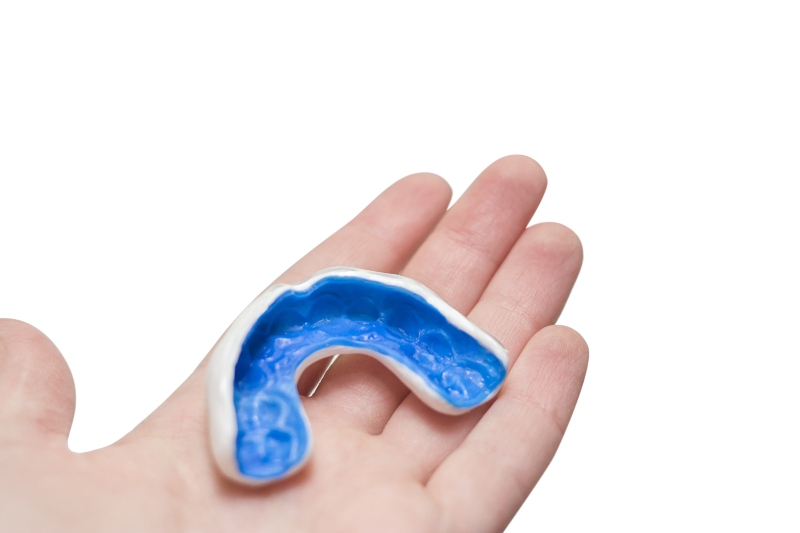
The best piece of equipment for sports dental safety is a mouthguard. Think of it like a helmet for your teeth. A mouthguard is a flexible appliance that’s worn over the teeth to protect them from injury. But it does more than just shield your teeth from a direct hit. It also cushions your lips and cheeks from being cut by your teeth. Furthermore, it prevents your top and bottom teeth from slamming together, which can cause jaw injuries.
Using mouthguards for athletes should be as standard as wearing shin guards in soccer or pads in football. Even if a sport doesn’t require one, wearing a mouthguard is a smart choice.
Benefits of Custom-Fit Mouthguards
You might see “boil-and-bite” mouthguards at sporting goods stores. These are better than nothing, but they often don’t fit very well. They can be bulky, make it hard to talk, or fall out when you’re running. A custom-fit mouthguard from your dentist is different. Custom mouthguard benefits include:
- Better Protection – It’s made specifically for your mouth, so it covers every tooth perfectly.
- More Comfort – Because it fits so well, it won’t feel bulky or uncomfortable. You might even forget you’re wearing it.
- Easier Breathing and Talking – A custom fit stays in place, allowing you to breathe naturally and communicate with your teammates clearly.
- Durability – Custom guards are made from high-quality materials that last longer than store-bought versions.
Other Protective Gear for Sports Dental Safety
While mouthguards are essential, other gear – when worn correctly – can help keep your mouth and face safe, too:
- Helmets – In sports like baseball, football, hockey, and lacrosse, a helmet with a face guard is crucial. It protects your jaw and teeth from balls, pucks, and sticks.
- Face Cages or Shields – These attach to helmets and provide a barrier for your entire face.
- Headgear – In wrestling, headgear helps protect the ears and jaw area from impact.
Habits and Techniques to Prevent Dental Injuries
Gear is important, but how you play matters. Here are some teeth protection tips to keep in mind:
- Follow the Rules – Rules in sports are often there for safety. Avoid illegal hits or dangerous plays that put you and others at risk.
- Stay Focused – Accidents often happen when players are distracted. Keep your head in the game.
- Communicate – Talk to your teammates to avoid collisions. Calling for the ball or letting others know where you are can prevent accidents.
- Don’t Chew on Ice or Hard Objects – This weakens your enamel, making your teeth more likely to chip if you get hit during a game.
- Stay Hydrated With Water – Sports drinks are popular, but they’re full of sugar and acid that can weaken teeth. Water is the best choice for hydration and dental health.
What to Do If a Dental Injury Happens
Even with the best protection, accidents can still happen. Knowing what to do can save a tooth:
- Stay Calm – Panic makes it harder to think clearly.
- Check for Other Injuries – Make sure there are no head or neck injuries. If there are, go to the emergency room immediately.
- Find the Tooth – If a tooth was knocked out, try to find it. Pick it up by the crown, not the root.
- Clean it Gently – If the tooth is dirty, rinse it briefly with water. Do not scrub it.
- Keep it Moist – Place the tooth in a container of milk or saliva. Do not put it in water.
- Get to the Dentist Fast – See a dentist immediately. The sooner you get help, the better your chances of saving the tooth.
Regular Dental Checkups for Active Individuals
Athletes need regular checkups just like everyone else. They might need them even more. Your dentist can check for signs of wear from clenching or grinding your teeth, which often happens during intense competition. Regular visits also ensure your custom mouthguard still fits properly. Your mouth shape may change, necessitating a new guard for the upcoming season.
Contact Our Dental Team in Westlake, OH
Don’t let a dental injury sideline you. Dental Care of Westlake helps athletes in Westlake, OH, stay safe and healthy. Contact us today for a custom mouthguard, immediate care, or to learn more about sports dental safety.
FAQ About Dental Protection in Sports
Do I Really Need a Mouthguard for Non-Contact Sports?
Yes. Accidental collisions happen in basketball, soccer, and baseball all the time. A mouthguard offers protection that can save your smile.
How Often Should I Replace My Mouthguard?
You should replace it every sports season or if you notice it has become worn out or fits poorly.
Can I Wear a Mouthguard With Braces?
Absolutely. A hit to the face with braces can cut your lips and cheeks badly. Your dentist can create a special mouthguard that fits over your braces.