
How to Spot Early Signs of Gum Disease at Home
How to Spot Early Signs of Gum Disease at Home
Your gums are as important to your oral health as your teeth. While gum disease is common, it’s often preventable or treatable if you catch it early. Dental Care of Westlake offers professional exams to identify any issues during your routine checkup or cleaning. However, we can also explain simple ways to perform a gum health check at home. By paying attention to specific changes in your mouth, you can prevent minor problems from becoming major concerns and maintain your healthy smile.
Understanding Gum Disease and Why Early Detection Matters
Gum disease, also known as periodontal disease, is an infection of the tissues that hold your teeth in place. It’s usually caused by poor brushing and flossing habits that allow plaque to build up and harden on the teeth.
In its early stage, this condition is called gingivitis. This is the only form of gum disease that’s reversible. If left untreated, it can advance to periodontitis, which can lead to sore, bleeding gums, painful chewing problems, and even tooth loss. When you spot the early signs of gingivitis, you can often undo the damage simply by improving your daily routine and getting a professional cleaning.
Red and Swollen Gums: A Common Early Warning Sign
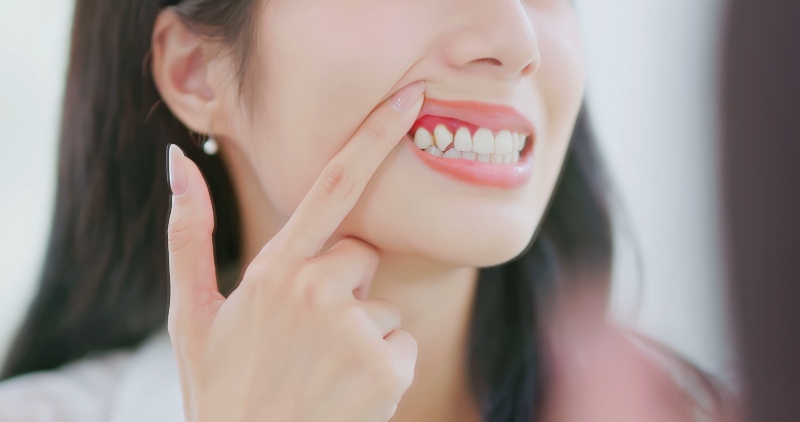
One of the easiest symptoms to spot is a change in the color and shape of your gums. Healthy gums should look firm and pale pink, fitting snugly around your teeth. Red, puffy, or swollen gums occur when bacteria irritate the gum tissue. It’s the body’s way of fighting off the infection. Be mindful of:
- Color Changes – Look for gums that are dark red or purple instead of pink.
- Puffiness – Check if the gum tissue looks larger or swollen, especially in the triangle spaces between your teeth.
- Texture – Healthy gums often have a stippled texture, like an orange peel. Swollen gums may look shiny and smooth.
Bleeding Gums While Brushing or Flossing
Do you see “pink in the sink” when you spit out your toothpaste? Many people ignore bleeding gums, thinking they simply brushed too hard. While vigorous brushing can cause injury, bleeding is rarely normal. Bleeding gums are a classic sign of active inflammation. When plaque stays on the gumline, bacteria release toxins that irritate the tissue. This makes the gums tender and prone to bleeding.
Persistent Bad Breath or Unpleasant Taste
Bad breath that won’t go away even after brushing, flossing, and using mouthwash could be a symptom of gum disease. Bacteria in the mouth produce waste products that smell bad. When these bacteria collect in pockets under the gumline, the smell can become chronic. You might also notice a constant bad or metallic taste in your mouth.
Gum Sensitivity, Tenderness, or Discomfort
Your gums shouldn’t hurt. If you feel pain when you touch them – or if they feel tender when you’re chewing food – something is wrong. Sometimes, the sensitivity comes from the gums pulling away from the teeth, exposing the sensitive roots underneath. Sensitivity can manifest in different ways:
- Touch Sensitivity – It hurts when you press on your gums with your finger or toothbrush.
- Temperature Sensitivity – Your teeth or gumline feel sharp pain when drinking cold water or hot coffee.
Checking for Gum Recession or Teeth Appearing “Longer”
Gum recession is a clear sign that gum disease is damaging the tissue. When gums pull back, they create pockets between the tooth and gum where bacteria can hide and multiply. This damages the supporting bone structure. Here’s how to check for gum recession:
- Look in the mirror and smile widely.
- See if you can spot the yellowish root of your tooth exposed at the gumline.
- Notice if your teeth look longer than they did in old photos.
At-Home Oral Hygiene Tips to Prevent Early Gum Disease
The best bleeding gums treatment is often better prevention. You can stop gingivitis in its tracks with a solid routine. Here are some essential oral hygiene tips:
- Brush Twice a Day – Use a soft-bristled toothbrush. Hard bristles can damage gum tissue. Brush for a full two minutes.
- Floss Daily – Flossing removes plaque from between teeth where your brush can’t reach. If you hate string floss, try a water flosser or interdental brushes.
- Use Fluoride Toothpaste – Fluoride helps strengthen tooth enamel and fight decay.
- Mouthwash – Therapeutic mouthwashes can help reduce plaque and prevent gingivitis.
- Quit Smoking – Smoking is strongly linked to the onset of gum disease. Since smoking weakens your immune system, it also makes it harder for your gums to heal once they’re damaged.
When to Seek Professional Dental Care
Your home checks are helpful, but they’re not a substitute for a professional diagnosis. Early intervention is key, and a simple cleaning can remove the hardened tartar that brushing misses, giving your gums a chance to heal. Call a dentist if:
- Your gums bleed regularly
- You have persistent bad breath
- You notice loose teeth
- Your gums are pulling away from your teeth
- You experience pain or changes in your bite
Contact Us in Westlake for Guidance
If you’ve noticed any gum disease symptoms during a home check, rely on Dental Care of Westlake to help restore your oral health. We thoroughly treat gum issues and provide comprehensive general dentistry services in Westlake, OH. Contact us today to schedule an appointment.
FAQ About Gum Disease
Can Gum Disease Affect the Rest of My Body?
Yes. Studies have shown links between gum disease and other health issues, including heart disease, diabetes, and respiratory disease.
Is Gum Disease Contagious?
The bacteria that cause gum disease can be spread through saliva. This means that sharing food and drinks or kissing can theoretically spread the bacteria, though susceptibility depends on the other person’s oral health.
Can Children Get Gum Disease?
Yes. While it’s more common in adults, children can get gingivitis. It’s important to teach kids good oral hygiene habits early.
Does Gum Disease Go Away on Its Own?
No. Without improved hygiene and professional treatment, gum disease will progress and cause permanent damage.