
How to Maintain Your Veneers for Long-Lasting Results
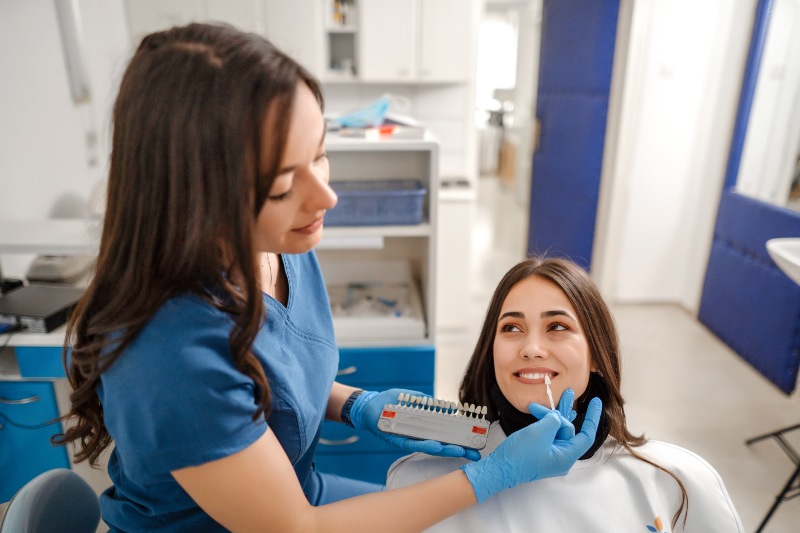
Investing in dental veneers is a transformative step toward achieving the smile of your dreams. As a premier long-term cosmetic investment, veneers can mask imperfections, close gaps, and brighten your overall appearance with remarkable precision. While veneers are designed to be durable and stain-resistant, their longevity depends heavily on how well you care for them. With proper maintenance, these thin porcelain or composite shells can last a decade or more, keeping your smile radiant and functional. Dental Care of Westlake helps patients know how to maintain veneers for long-lasting results. Learn more today.
Why Is Maintenance Vital for Dental Veneers?
Proper maintenance of your dental veneers is essential for preserving the aesthetic brilliance of your smile and for protecting the financial investment you have made in your dental health. While porcelain is highly durable and resistant to stains, it is not indestructible. Neglecting care can lead to chipping, debonding, or decay of the underlying natural tooth structure. By adhering to a rigorous oral hygiene routine and avoiding harmful habits, you ensure the veneers remain functional and vibrant for their full intended lifespan, typically 10 to 15 years or longer.
Understanding Veneer Materials and Durability
The two most common materials used in cosmetic dentistry are porcelain and composite resin. Porcelain veneers are highly favored for their strength and ability to mimic the light-reflecting properties of natural enamel. They are also incredibly resistant to staining from coffee, tea, and tobacco.
Composite veneers, while more affordable and easier to repair, are slightly more porous and may require more frequent polishing. Regardless of the material, understanding that veneers are bonded to your natural teeth is key. They rely on the health of the underlying tooth structure and the integrity of the dental adhesive to stay secure.
Daily Oral Care Routine for Veneers
To maximize your veneer lifespan, a diligent daily hygiene routine is non-negotiable. You should brush your teeth at least twice a day using a non-abrasive fluoride toothpaste. Harsh, whitening toothpastes often contain abrasives that can scratch the surface of the porcelain, dulling its shine over time. Additionally, cleaning veneers properly involves daily flossing. While the veneer itself cannot decay, the tooth structure behind it is still susceptible to cavities. Removing plaque from the gumline prevents gum disease, which could otherwise lead to gum recession and expose the edges of the veneers.
Foods and Habits That Can Damage Veneers
While you can enjoy a wide variety of foods, certain habits can jeopardize your cosmetic dentistry maintenance. To avoid veneer damage, we recommend avoiding the following:
- Hard Foods – Biting into ice, hard candies, popcorn kernels, or nuts can cause the porcelain to crack or chip.
- Sticky Foods – Taffy, caramel, and gummy candies can potentially loosen the bond of the veneer or pull it away from the tooth.
- Staining Substances – Frequent consumption of red wine, coffee, tea, and dark berries can discolor the edges of the veneers or stain the natural teeth behind them.
- Using Teeth as Tools – Using your teeth to open packages, bite your nails, or hold pens can put excessive pressure on the veneers, leading to structural failure.
- Tobacco Use – Smoking or chewing tobacco can lead to yellowish stains around the margins of the veneers and contribute to gum disease.
- Teeth Grinding (Bruxism) – Habitual clenching or grinding of the teeth can wear down or shatter the porcelain. A nightguard is often recommended to prevent this damage.
Night Guards and Protection from Bruxism
One of the most common causes of premature veneer failure is bruxism, or teeth grinding. Many people grind their teeth unconsciously during sleep, exerting immense pressure that can crack or dislodge the porcelain. If you have a history of grinding, your dentist will likely recommend a custom-fitted night guard. This protective barrier cushions the teeth and distributes pressure evenly, ensuring your veneer care tips include proactive protection against mechanical wear.
Why Regular Dental Visits Matter
Maintaining dental veneers requires professional oversight. During your six-month checkups, your dental team will inspect the margins of the veneers for any signs of leakage or decay. Professional cleanings using specialized, non-sonic instruments ensure that plaque is removed without scratching the restoration. These visits allow for early intervention if a minor issue arises, preventing the need for a full replacement.
Contact Dental Care of Westlake
Dental Care of Westlake helps patients in Westlake, OH maximize their smile and oral health. We understand veneers are an investment in your confidence and your future. By following these simple steps like practicing excellent hygiene, avoiding destructive habits, and wearing protection when necessary, you can enjoy a stunning, healthy smile for many years to come. Are you ready to refresh your smile or need a professional cleaning for your existing restorations? Contact our office today to schedule your consultation.
Dental Veneers FAQs
How Long Do Dental Veneers Typically Last?
With proper care, porcelain veneers usually last between 10 to 15 years, while composite veneers typically last five to seven years.
Can Veneers Be Whitened?
No, the material used in veneers does not respond to traditional whitening bleaches. If your veneers become dull, a professional polishing at the dentist is the best way to restore their luster.
What Should I Do if a Veneer Chips or Comes Off?
If a veneer becomes loose or chips, contact your dentist immediately. Do not attempt to glue it back yourself, as this can damage the tooth and the restoration. Keep the piece in a clean container and bring it to your appointment.